Clean Water News & Stories

Fireworks: Keep the Spectacle Out of Storm Drains 

Education Public Health Rainwater Management Tualatin River
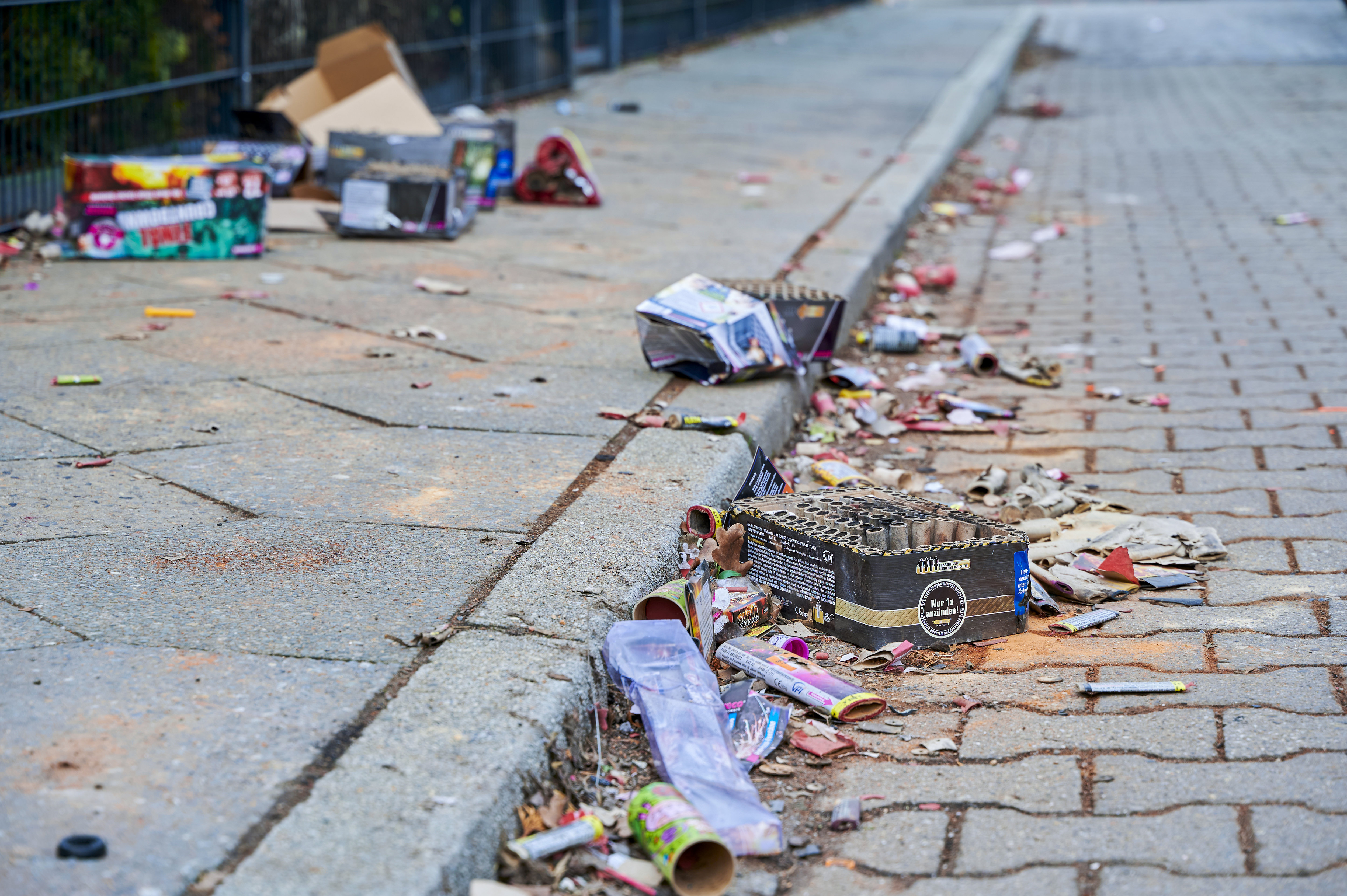
We encourage people to have safe and joyous celebrations, but we also want to protect our slow and sensitive Tualatin River, which is a vital resource to our region. The Tualatin River provides drinking water, agricultural irrigation, and recreation. It’s also home to native wildlife like beavers, turtles, salmon, newts, egrets, and more. Keep these critters in mind when you clean up after using fireworks.  
Spent fireworks collect in a debris pile along the curb of a sidewalk.

Public Works: Rooted in Service, Powered by Community

How often do you consider where water (and everything you flush along with it) goes after you “go,” or where it flows when it falls as rain, melts as snow, or runs down your driveway from a hose? You may not think about it much, because the public works staff who maintain miles of pipe, operate treatment facilities, monitor water quality, and respond to threats to public health and the environment are working to keep those essential services flowing 24 hours a day for you. 
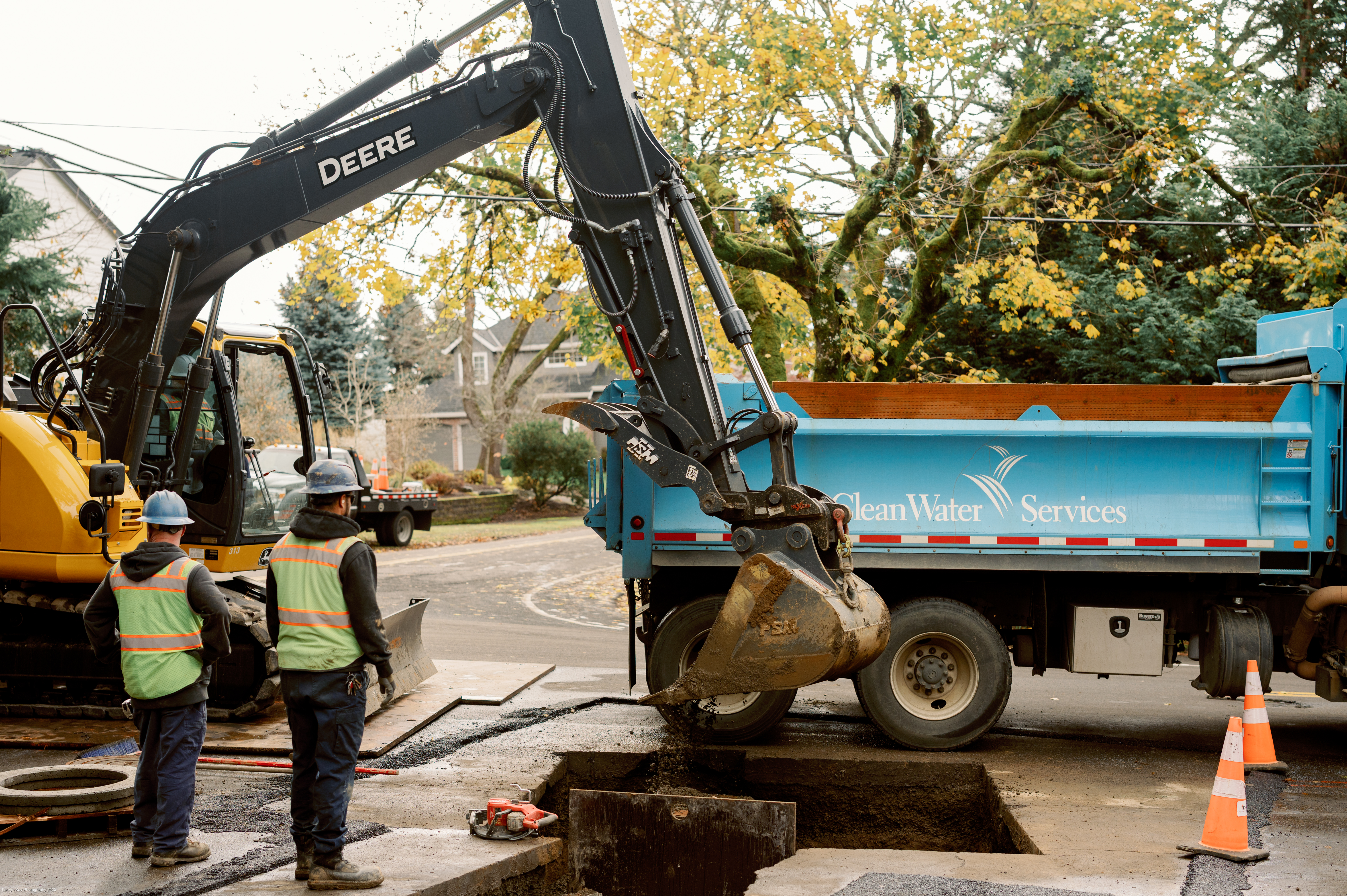
An image of two Clean Water Services at a construction site in the community.

Water Releases Make Tualatin River a Year-Round Resource 

The arrival of warm and dry weather and a hot forecast ahead prompted Clean Water Services (CWS) to begin releasing cool water on May 12, 2026. The Tualatin River is a vital source of water for Washington County communities, crops, and companies. To keep the Tualatin River flowing and healthy in dry months, CWS releases cool water from Hagg Lake and Barney Reservoir.
An aerial view of where water is released from Scoggins Dam. Part of Hagg Lake is visible on the left, with trees and hills in the background.

Rain to Drain to River

Your actions, no matter how small, can impact the life cycle of the salmon, and the overall health of the watershed.
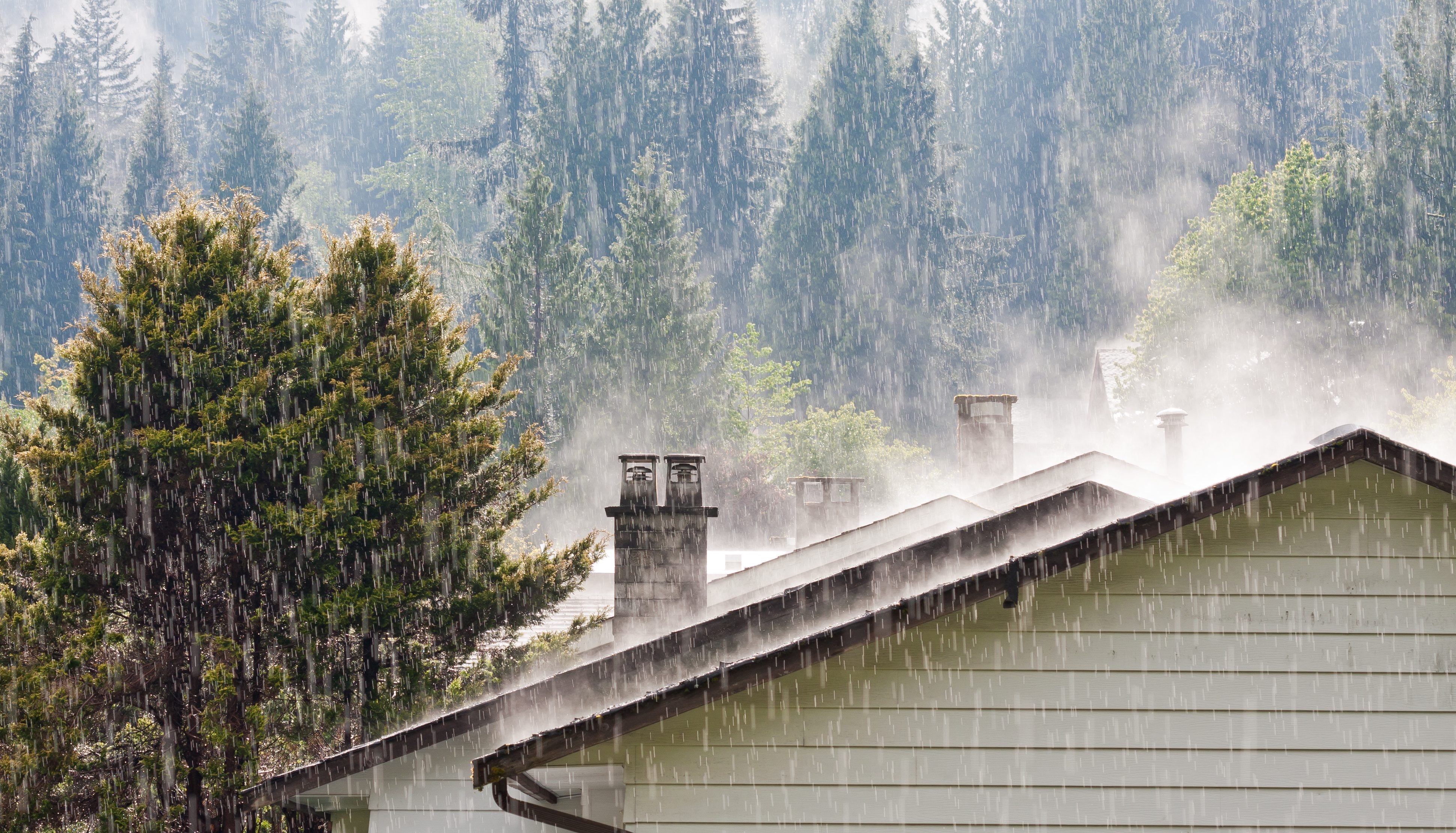
Rainfall on suburban rooftops.

Critical Infrastructure Meets the Natural Landscape 

When you kayak along the river or take a stroll through your neighborhood park, you may not realize the critical infrastructure just below the surface, hiding underground and carrying wastewater to a treatment facility or stormwater to a nearby waterway.
An image of native plants.