Clean Water News & Stories

Public Works: Rooted in Service, Powered by Community

Public Health Rainwater Management Safety Water Resources
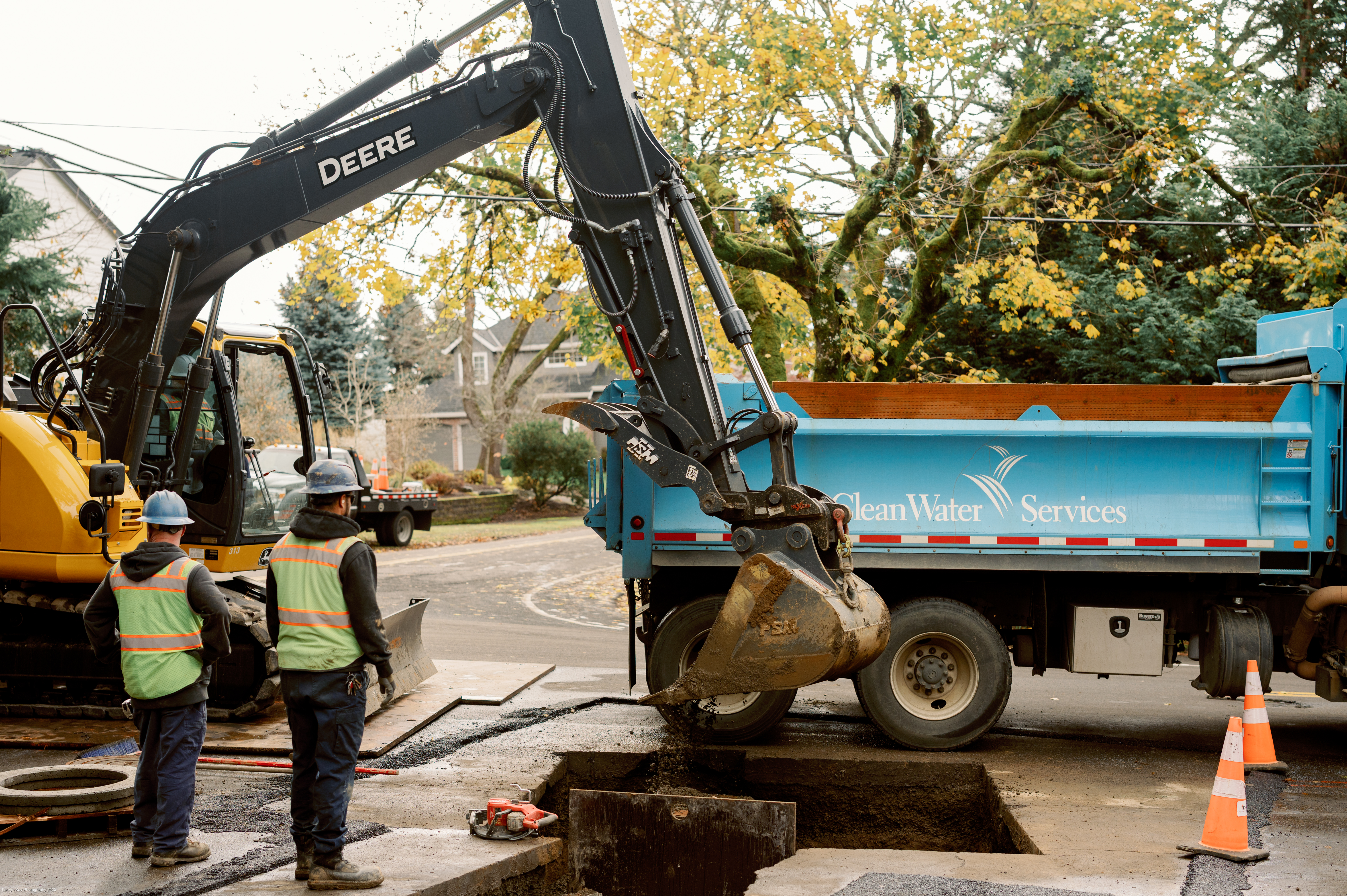
How often do you consider where water (and everything you flush along with it) goes after you “go,” or where it flows when it falls as rain, melts as snow, or runs down your driveway from a hose? You may not think about it much, because the public works staff who maintain miles of pipe, operate treatment facilities, monitor water quality, and respond to threats to public health and the environment are working to keep those essential services flowing 24 hours a day for you. 
An image of two Clean Water Services at a construction site in the community.

How Clean Water Services Sets Rates for Your Community

Each year, Clean Water Services (CWS) develops an annual budget and sets rates to support essential wastewater and stormwater services across Washington County. These decisions help ensure that our communities have the infrastructure and services we need to protect public health, reduce flooding, and keep our waterways clean. Any changes to rates for the upcoming fiscal year would take effect on July 1. 
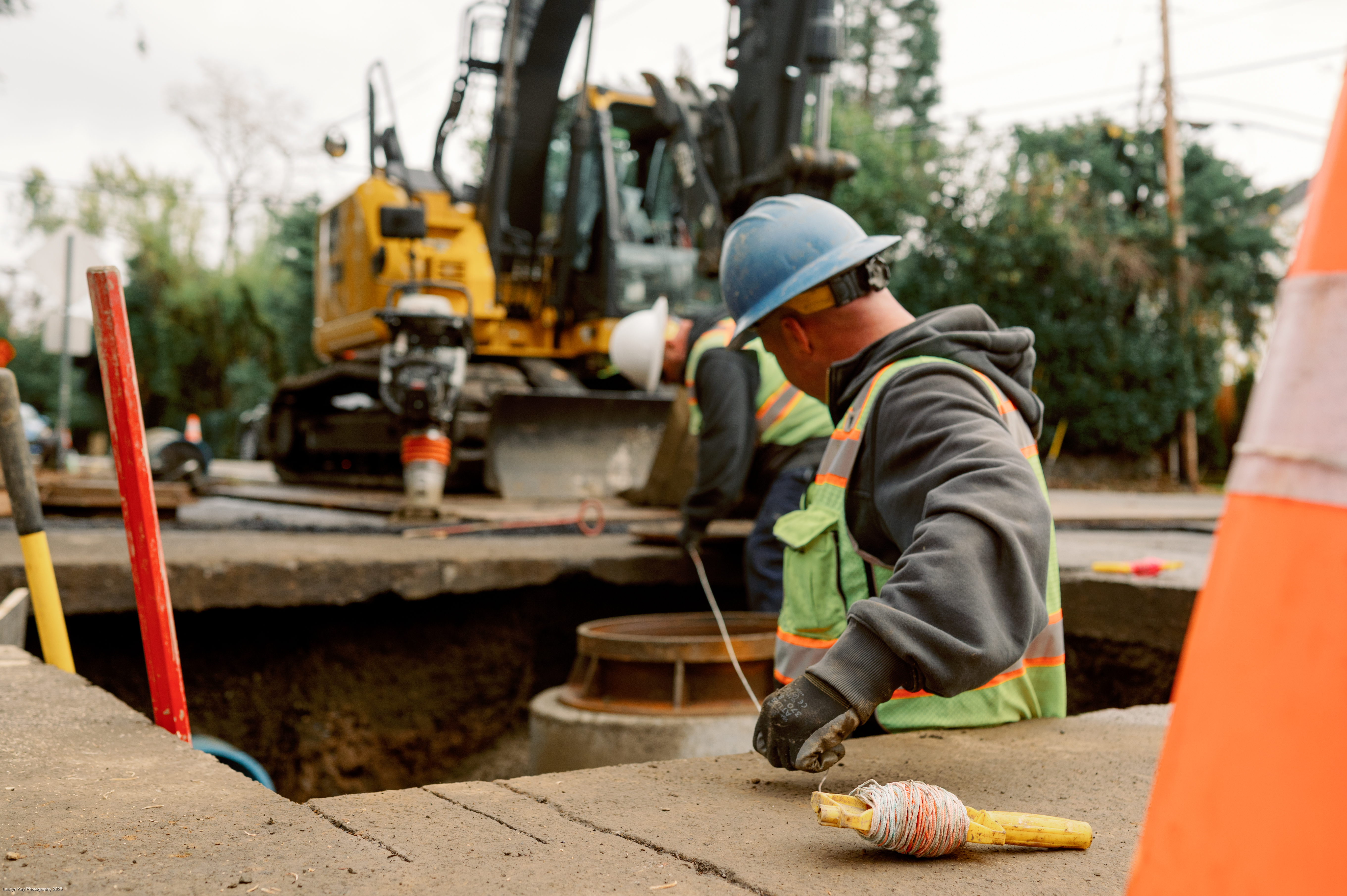
Clean Water Service Manhole Installation.

Leave it to Beavers 

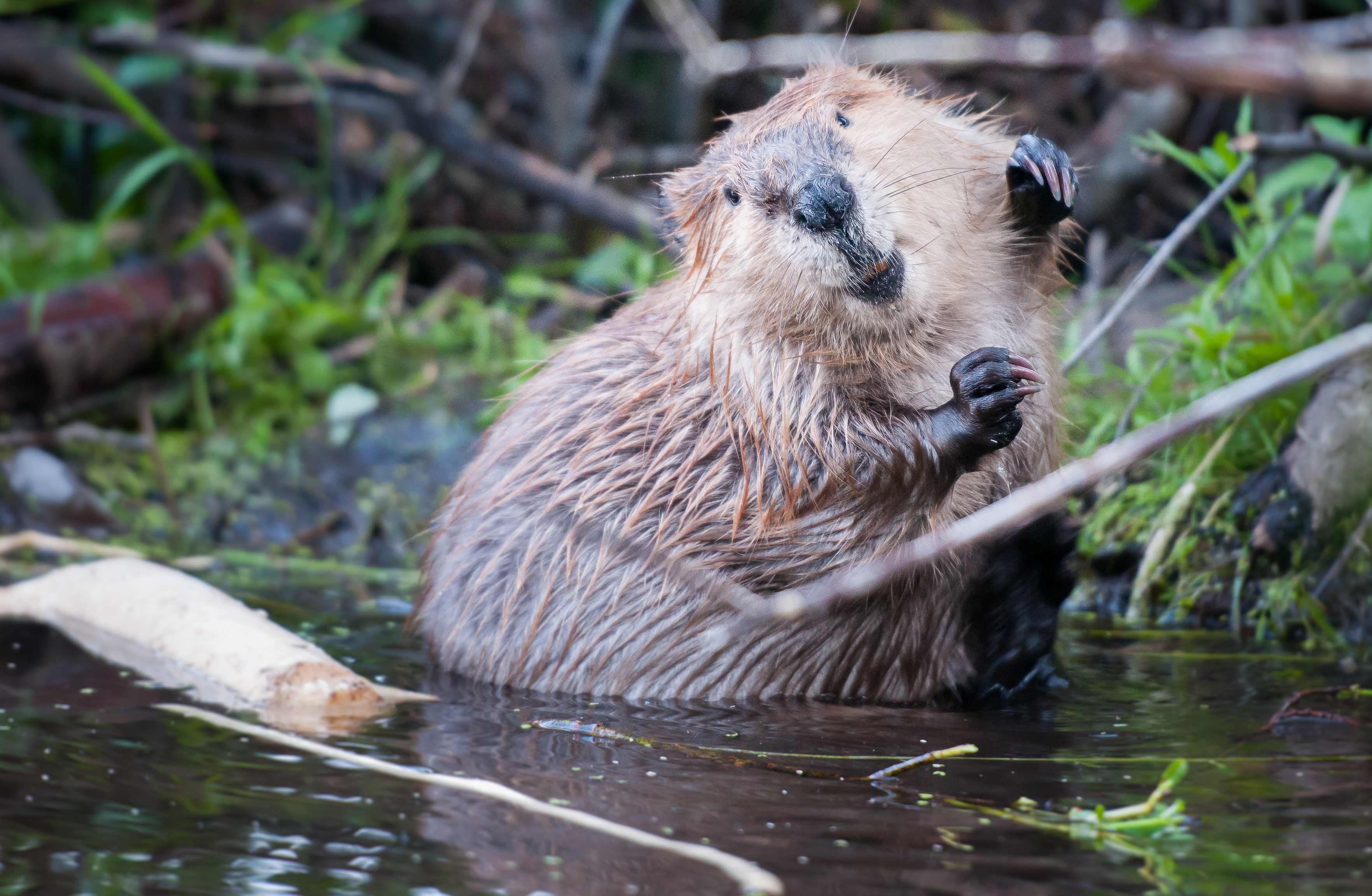
There’s a lot we already know about nature’s engineers. Beavers have iron-enriched teeth, which is what makes them strong enough to gnaw wood (and gives them an orange color). Beavers also have a unique way of communicating — by slapping their tails to draw attention to something or even warn of potential danger.  
A beaver in water.

Rain to Drain to River

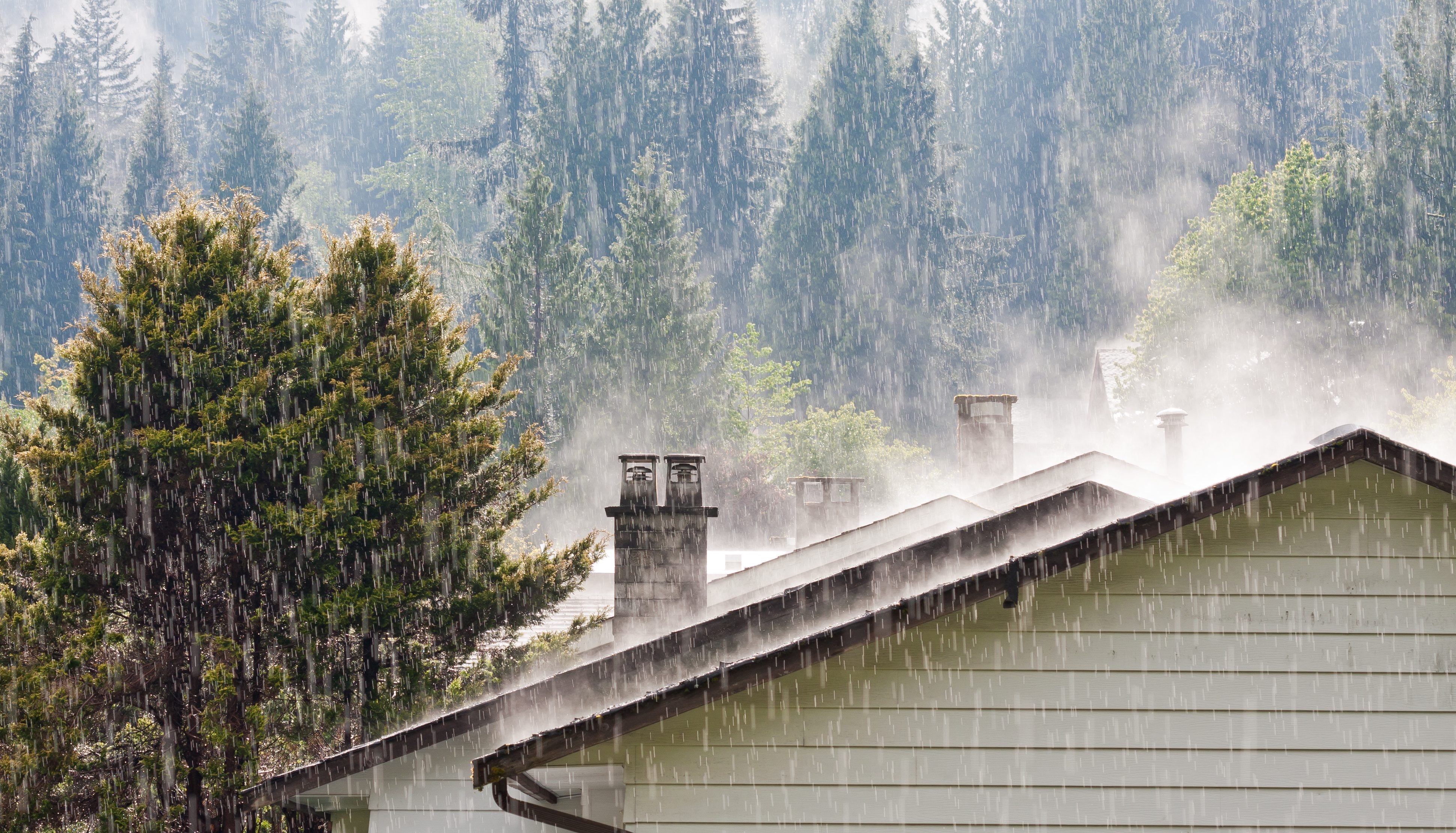
Your actions, no matter how small, can impact the life cycle of the salmon, and the overall health of the watershed.
Rainfall on suburban rooftops.

‘Wastewater Olympics’ Boosts Essential Services Skills 

It’s been called the Wastewater Olympics, the Sewage Superbowl, and one of the best professional development programs in the water sector. The Operations Challenge exists because wrangling wastewater to protect our communities and environment requires well-trained professionals who can put their skills to work quickly, safely, and collaboratively.

Give Thanks for Your Toilet

Have you thought about what it would be like to live without toilets? According to the WHO and CDC, about 1.5 billion people don’t have access to safely managed sanitation in their home, and another 3.4 billion people don’t have access to safely managed sanitation anywhere — even outside of their home. Inadequate sanitation systems spread human waste into rivers, lakes, and soil — contaminating the water resources under our feet. 
A white toilet against a blue tile wall.

Who’s Been Here? Using eDNA to Understand and Defend our Watershed  

There are many different ways the watershed talks to us, if you know how to listen. At Clean Water Services (CWS), we are always working to understand the needs of the Tualatin River Watershed. One way we learn from the environment is asking “who or what has been here?” Since we can’t knock on the door of a beaver dam or ring a trout’s doorbell, CWS is using a new technique to translate the language of the watershed. 
An image of a craw dad