Clean Water News & Stories

Public Works: Rooted in Service, Powered by Community

Public Health Rainwater Management Safety Water Resources
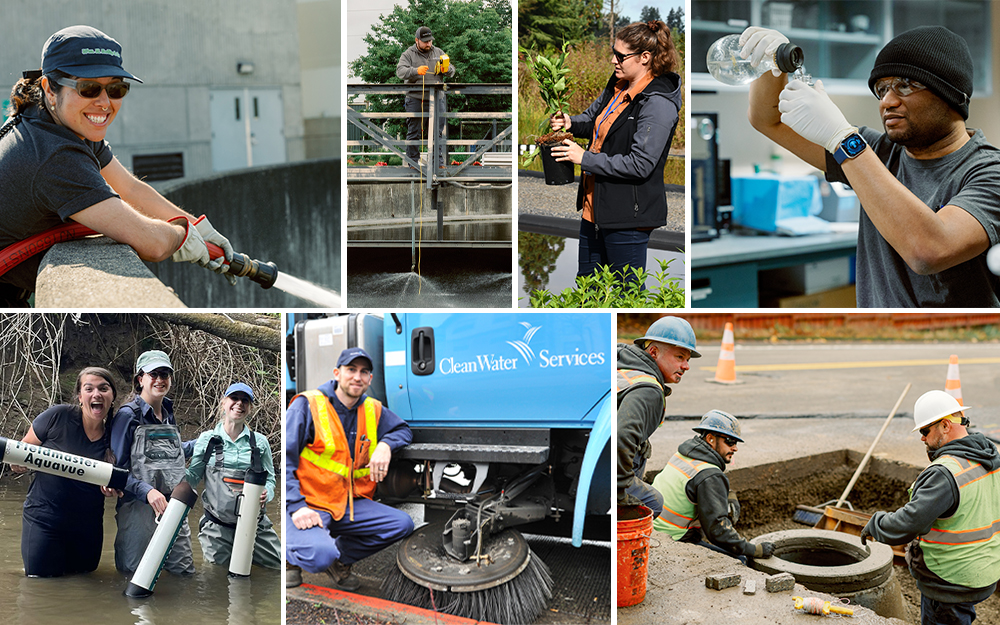
How often do you consider where water (and everything you flush along with it) goes after you “go,” or where it flows when it falls as rain, melts as snow, or runs down your driveway from a hose? You may not think about it much, because the public works staff who maintain miles of pipe, operate treatment facilities, monitor water quality, and respond to threats to public health and the environment are working to keep those essential services flowing 24 hours a day for you. 
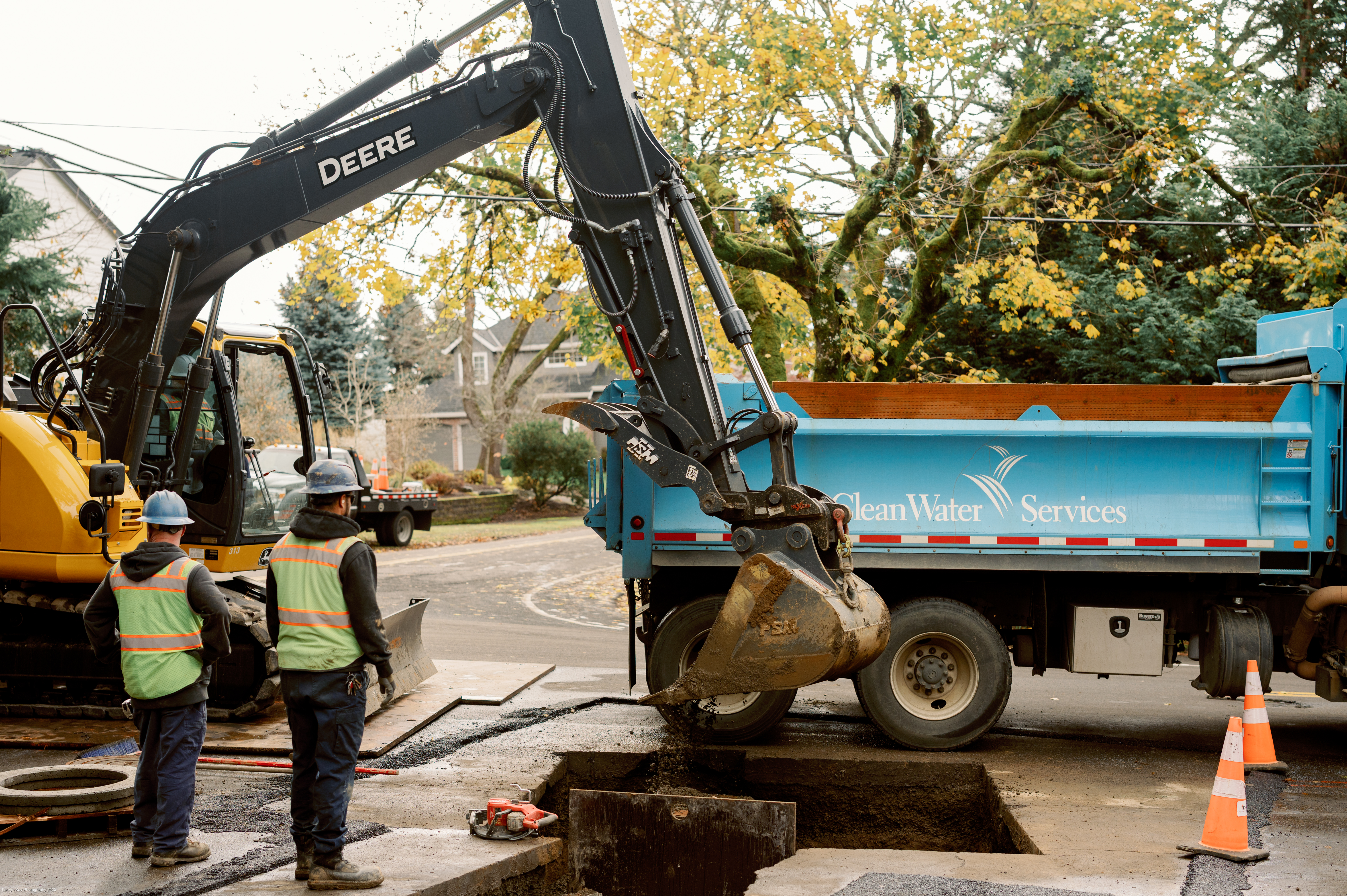
An image of two Clean Water Services at a construction site in the community.

Water Releases Make Tualatin River a Year-Round Resource 

The arrival of warm and dry weather and a hot forecast ahead prompted Clean Water Services (CWS) to begin releasing cool water on May 12, 2026. The Tualatin River is a vital source of water for Washington County communities, crops, and companies. To keep the Tualatin River flowing and healthy in dry months, CWS releases cool water from Hagg Lake and Barney Reservoir
An aerial view of where water is released from Scoggins Dam. Part of Hagg Lake is visible on the left, with trees and hills in the background.

How Clean Water Services Sets Rates for Your Community

Each year, Clean Water Services (CWS) develops an annual budget and sets rates to support essential wastewater and stormwater services across Washington County. These decisions help ensure that our communities have the infrastructure and services we need to protect public health, reduce flooding, and keep our waterways clean. Any changes to rates for the upcoming fiscal year would take effect on July 1. 
Clean Water Service Manhole Installation.

CWS Board Launches General Manager Recruitment

The Clean Water Services (CWS) Board of Directors has launched a national recruitment for a General Manager to lead the regional sewer and stormwater utility and its approximately 500 employees.
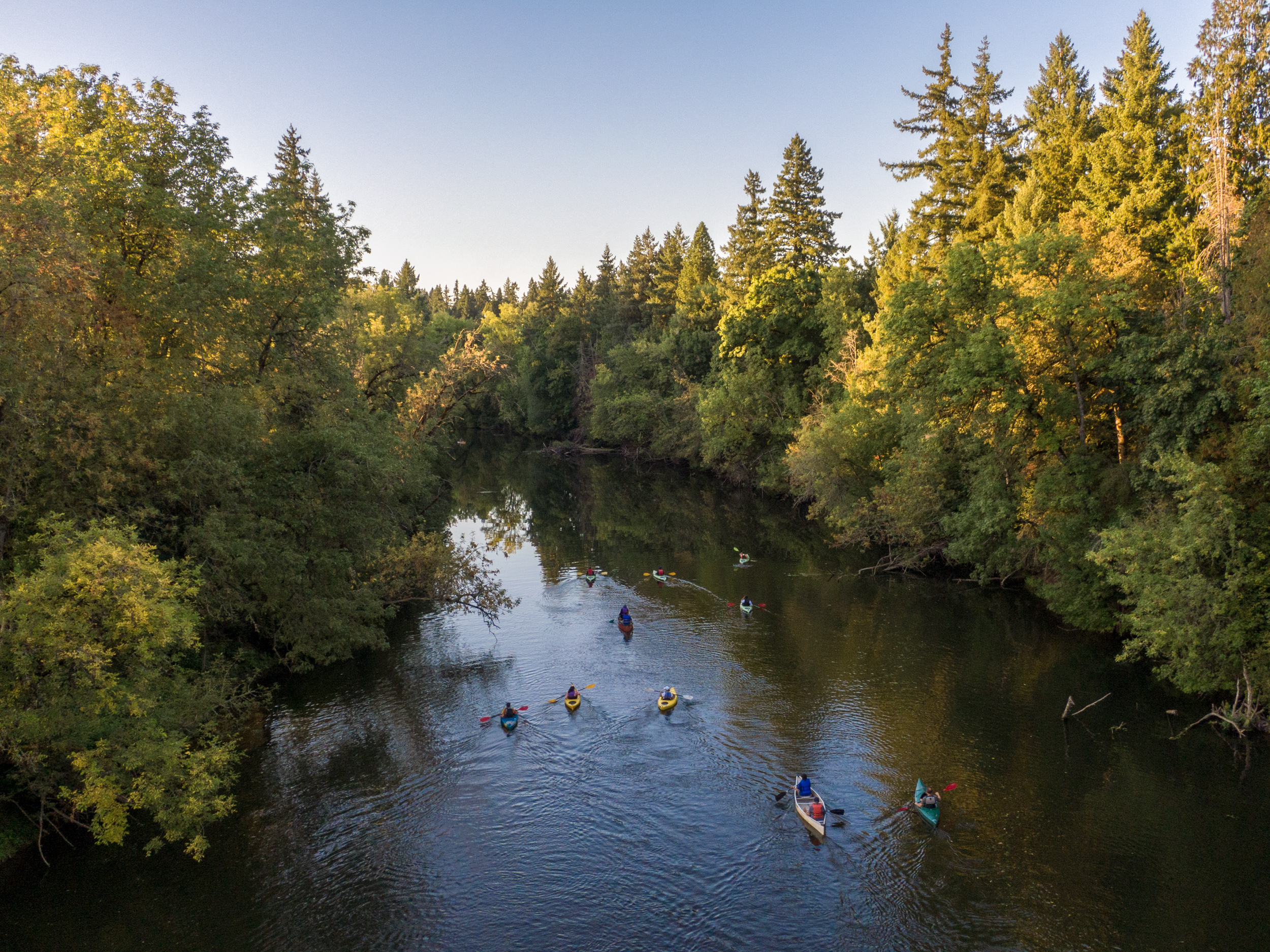
An aerial shot of people kayaking on the Tualatin River in late evening as the sun shines over the trees.

Leave it to Beavers 

There’s a lot we already know about nature’s engineers. Beavers have iron-enriched teeth, which is what makes them strong enough to gnaw wood (and gives them an orange color). Beavers also have a unique way of communicating — by slapping their tails to draw attention to something or even warn of potential danger.  
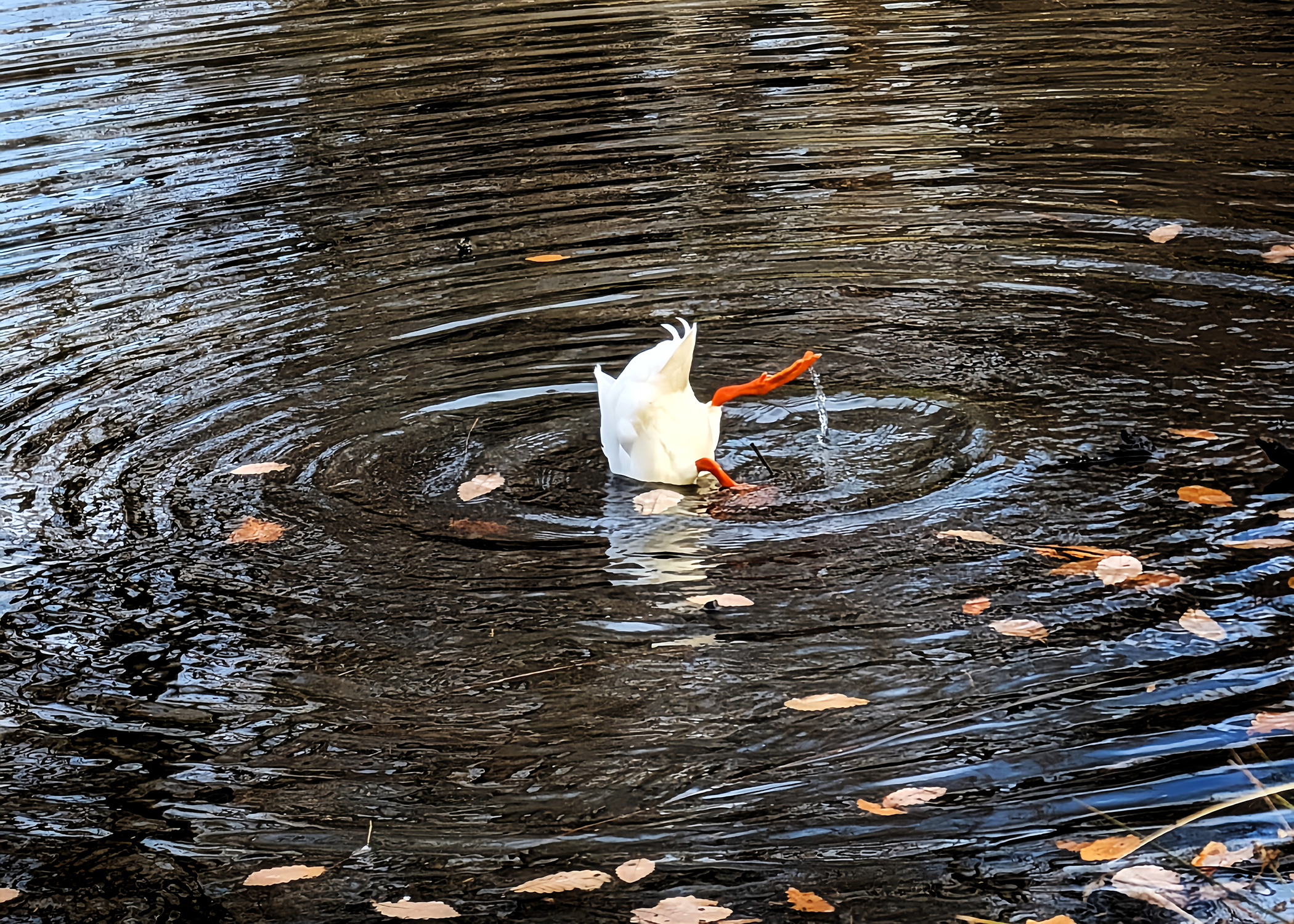
A beaver in water.