Clean Water News & Stories

Who’s Been Here? Using eDNA to Understand and Defend our Watershed  

Public Health Research Tualatin River Water Resources
There are many different ways the watershed talks to us, if you know how to listen. At Clean Water Services (CWS), we are always working to understand the needs of the Tualatin River Watershed. One way we learn from the environment is asking “who or what has been here?” Since we can’t knock on the door of a beaver dam or ring a trout’s doorbell, CWS is using a new technique to translate the language of the watershed. 
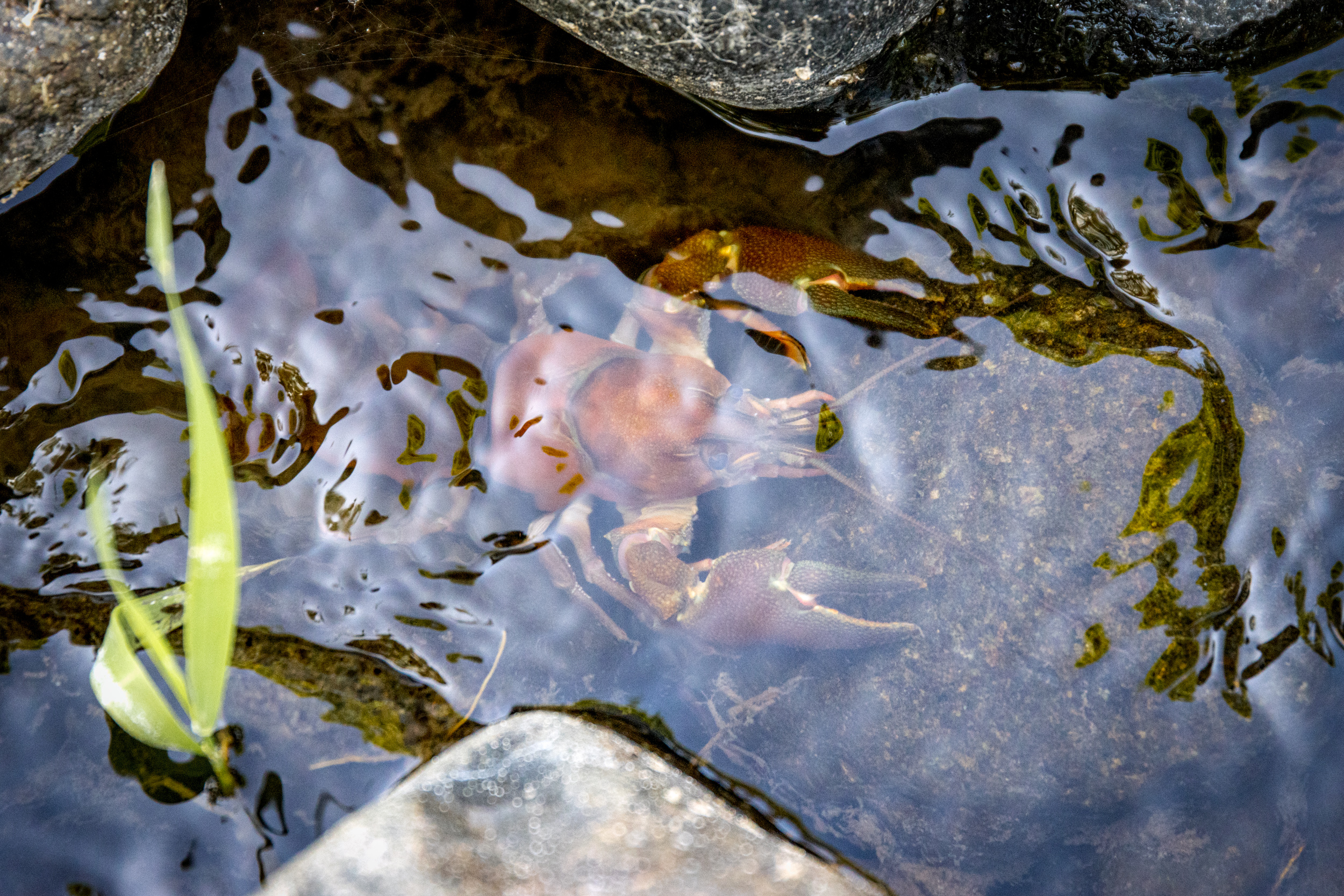
An image of a craw dad

Clarified Vision: Planning and Building for Changing Communities and Climate 

The pipes, pump stations, stormwater systems, and treatment facilities that protect the health of all of us who live and work in Washington County are able to serve our growing communities because of decades of planning. The systems that will meet our needs 20 years from now will arrive thanks to planning being done today. 
Clean Water Services Water Resource Recovery Facility in Rock Creek, Oregon. Shown at dusk with bright lights illuminating a large clarifier on site.

Testing the Waters: Inside the CWS Water Quality Lab

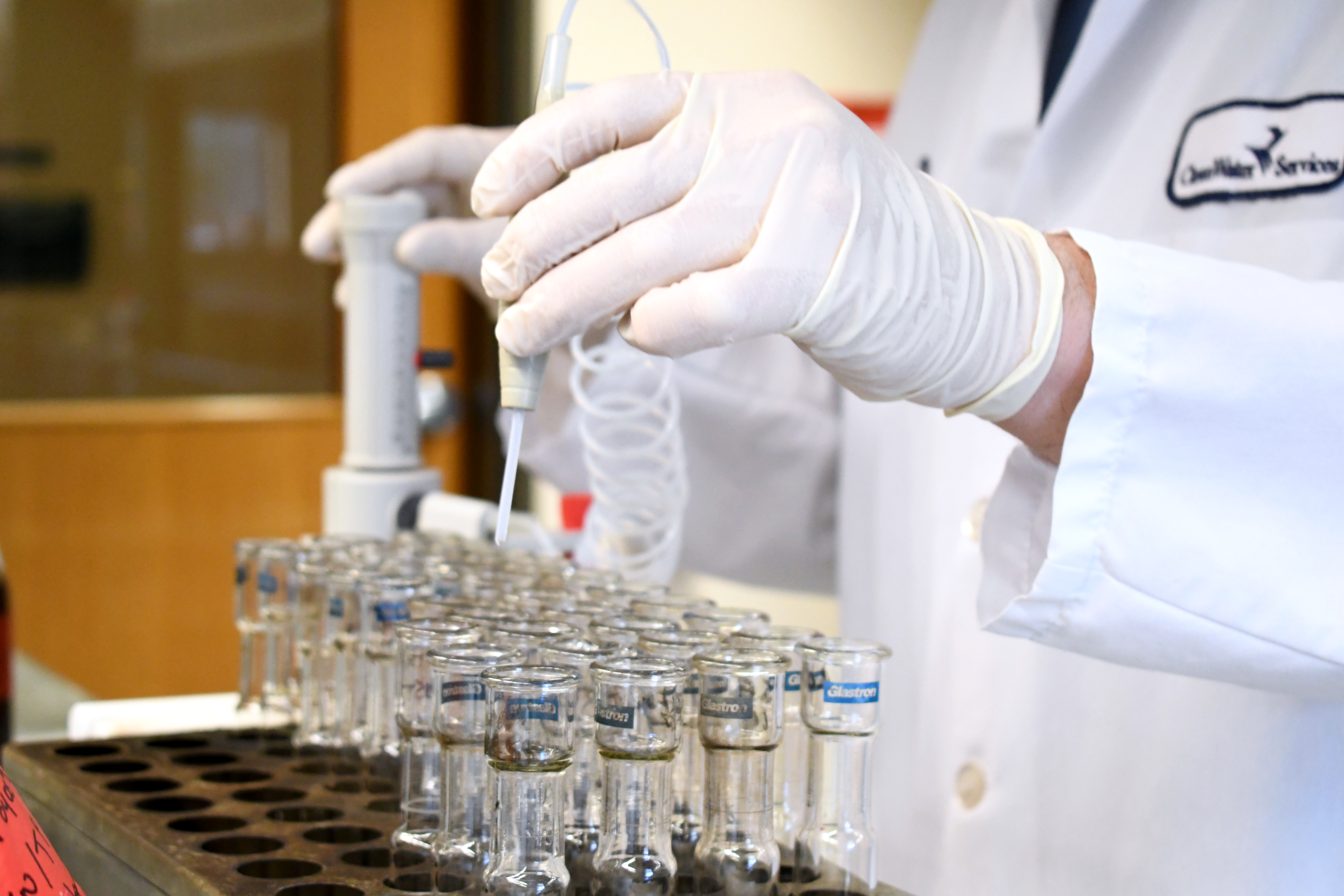
There's a lot of science involved in treating wastewater and managing stormwater in the uniquely challenging Tualatin River Watershed. A sizable portion of that science takes place in the Clean Water Services Water Quality Laboratory, where chemists perform over 100,000 water quality analyses a year. 
A Clean water services employee adds material into test tubes in the lab onsite.

Septic or Sewer? Keeping the Watershed Free of Sewage

When you flush your toilet, everything in the bowl should (hopefully) be sent away from your bathroom and your home. For many people in Washington County, those contents head to a water resource recovery facility operated by Clean Water Services. For others, it is held in a septic tank.

Practical, Proactive, People-Centered: Our Blessedly Boring Budget 

Drama and excitement can be fun, but not when it comes to budget and rates planning. You want to know the folks tasked with tackling our region’s long-term water challenges are being as clear-eyed and careful with your hard-earned rate dollars as they are when protecting public health and the environment. 
An Aerial view of Butternut Creek, a tributary to the Tualatin River, with heavy vegetation along the banks of the creek and houses backing up to the water.