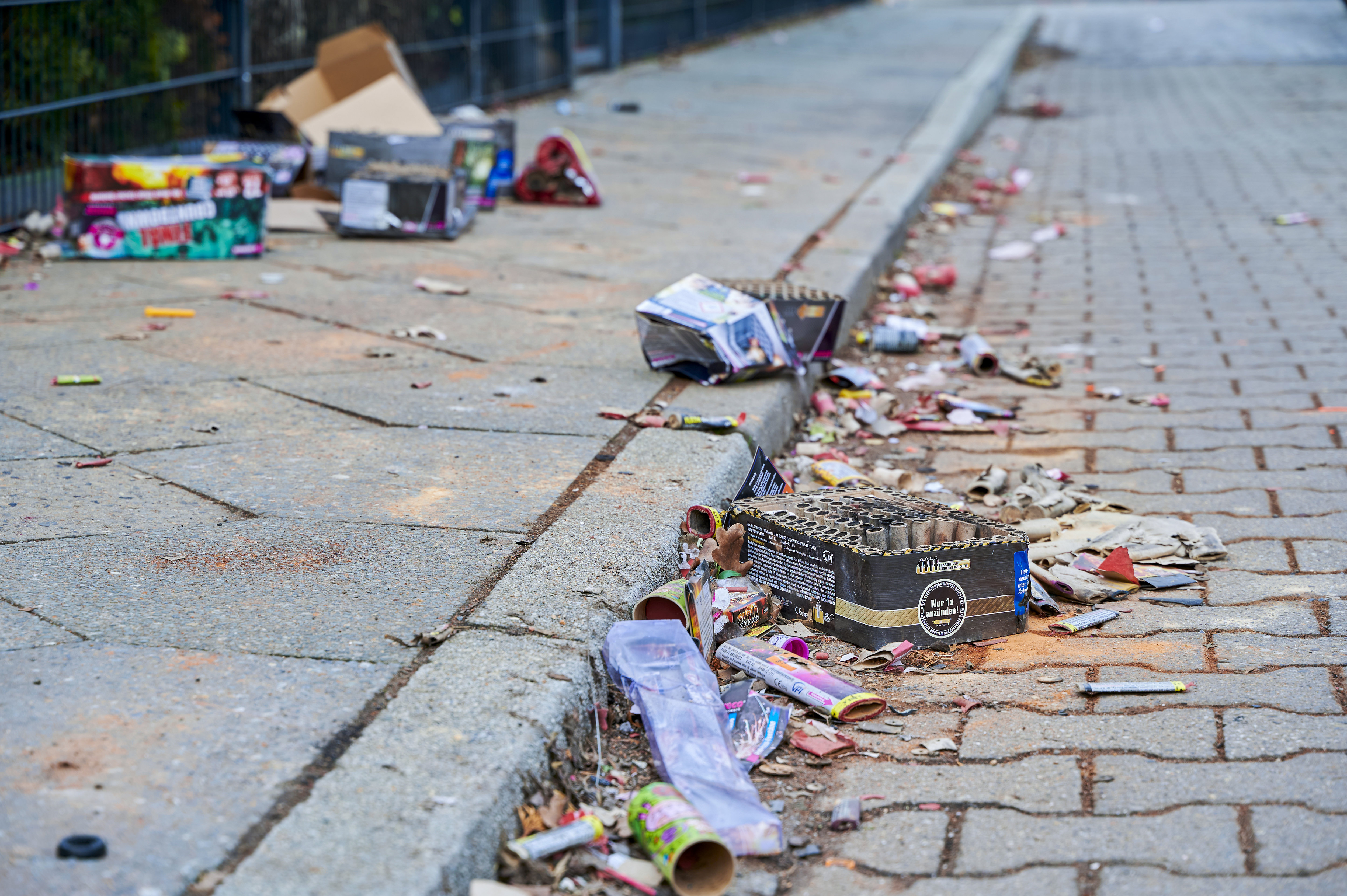
Do your part to protect water quality by cleaning up spent fireworks
Fireworks are a popular way to celebrate many holidays. You may even use fireworks or sparklers to celebrate birthdays, graduations, or other milestones. The dazzle of these sparkling and colorful blasts of light and embers comes from heavy metals, chemicals, and plastics that are harmful to fish and our water. That’s nothing to celebrate.
We encourage people to have safe and joyous celebrations, but we also want to protect our slow and sensitive Tualatin River, which is a vital resource to our region. The Tualatin River provides drinking water, agricultural irrigation, and recreation. It’s also home to native wildlife like beavers, turtles, salmon, newts, egrets, and more. Keep these critters in mind when you clean up after using fireworks.
Before you light any fireworks, check the Oregon State Fire Marshal’s website for up-to-date safety messages and any current restrictions. Douse used fireworks in a bucket of water and throw away pieces in the trash. After celebrating, take a few minutes to clean up debris on the street and sidewalk before it washes into storm drains. Make sure all remnants are disposed of safely.
What’s the harm?
Fireworks are made with heavy metals and chemicals, such as aluminum, magnesium, charcoal, sulfur powder, and more. These are what make fireworks different colors, through chemical reactions when ignited. Even after the firework is spent, these chemicals and metals are still present in the debris. When left on the ground, even trace amounts can be washed into storm drains the next time it rains. Whatever goes down a storm drain, goes to a local waterway, potentially harming water quality and the wildlife that live there. For example, excess levels of aluminum in the water can make it harder for fish to breathe (yes, fish do breathe!) or even cause organ damage.
More Ways to Protect Water Quality
There are plenty of other hazardous materials that should never go down a storm drain, or the drains in your home. See our helpful tips on how to dispose of medication, yard debris, grease, pool water, and more.