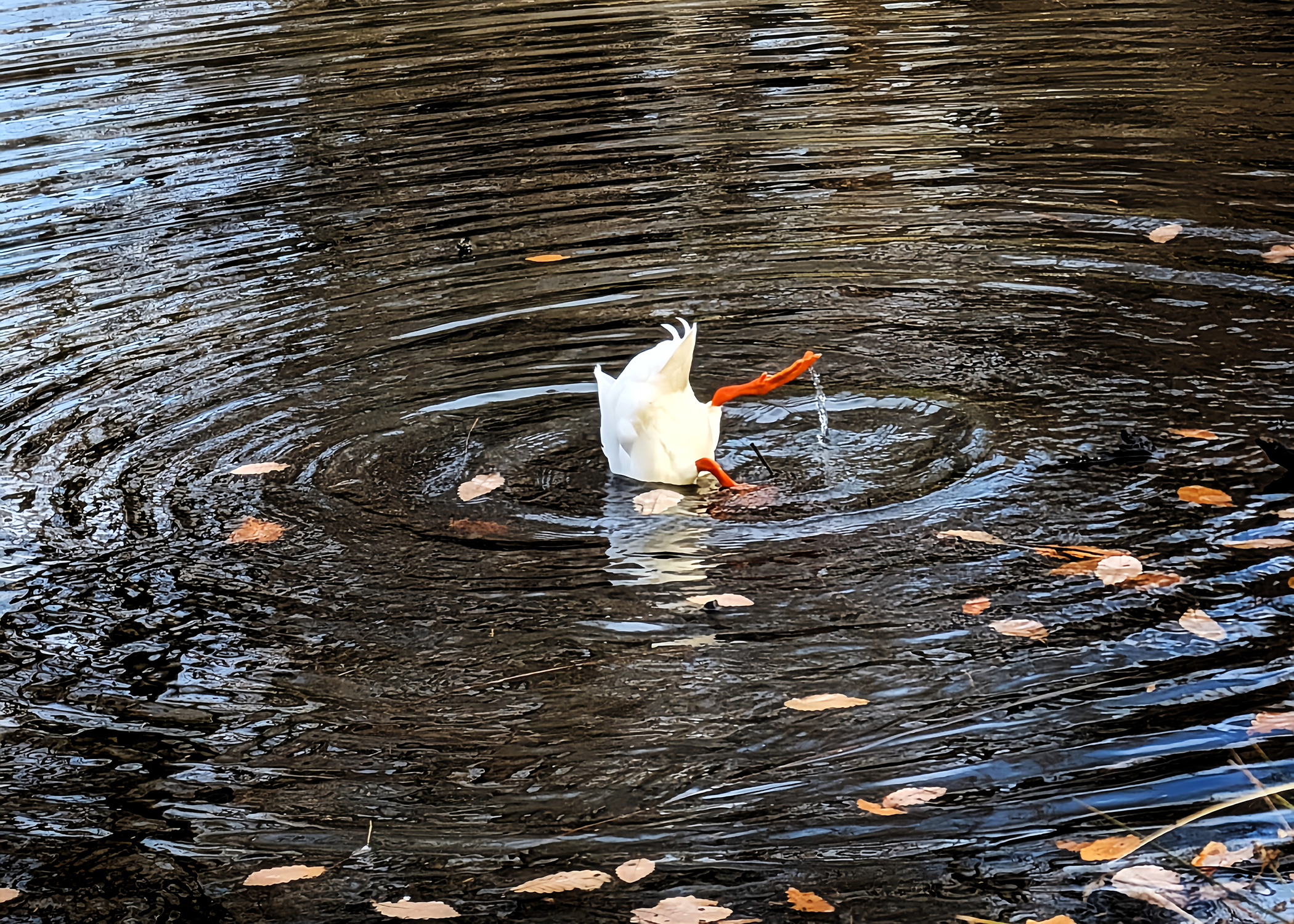
The damp days of October bring with them fallen leaves, foggy mornings, and puddles on the sidewalks. October 1 is also the start of the new water year, as rainy days become more frequent and our river and streams begin to flow more strongly.
While a calendar year ends a couple of months into the wet season, a water year follows the flow of the season. During the 2024-2025 water year — which ended September 30 — the Tualatin River Watershed received 29.7 inches of rain, as recorded at the Hillsboro Airport. That’s less than the average annual rainfall of 35.9 inches, and significantly less than the last few years. The majority of rain occurred last fall and winter. The drier spring resulted in lower stream flows, meaning Clean Water Services (CWS) initiated stored water releases in May — earlier than is typical.
The Tualatin River is an essential resource for Washington County, with high demands on its water for agricultural, industrial, and urban use. To keep up with those demands and ensure the small and slow river flows throughout the drier summer months, CWS and our Tualatin River Flow Management Committee partners — Joint Water Commission, Tualatin Valley Irrigation District, and Lake Oswego Corporation —release water from Hagg Lake and Barney Reservoir. CWS closely monitors releases to ensure healthy water quality, and we also discharge clean water from our water resource recovery facilities all year. That combination of released and discharged water makes up about 80% of the flow in the Tualatin River in the summer.
Forecasters with the National Oceanic and Atmospheric Administration (NOAA) and the National Weather Service predict a La Niña winter, which typically means cooler and wetter weather and could bode well for stream flows in the Tualatin River Watershed.
“Overall climate change cyclical patterns are something we’re always paying attention to,” says CWS Compliance Operations Manager Jamie Hughes. “We have had longer, hotter, and drier summers the last several years, which impact the stream flows and water demand in what is already a highly managed river.”

Did you know?
CWS is dedicated to protecting public health while enhancing the natural environment. This means careful and thoughtful releases of water no matter what the climate provides. Learn more about our first-in-the-nation approach to protecting water quality.