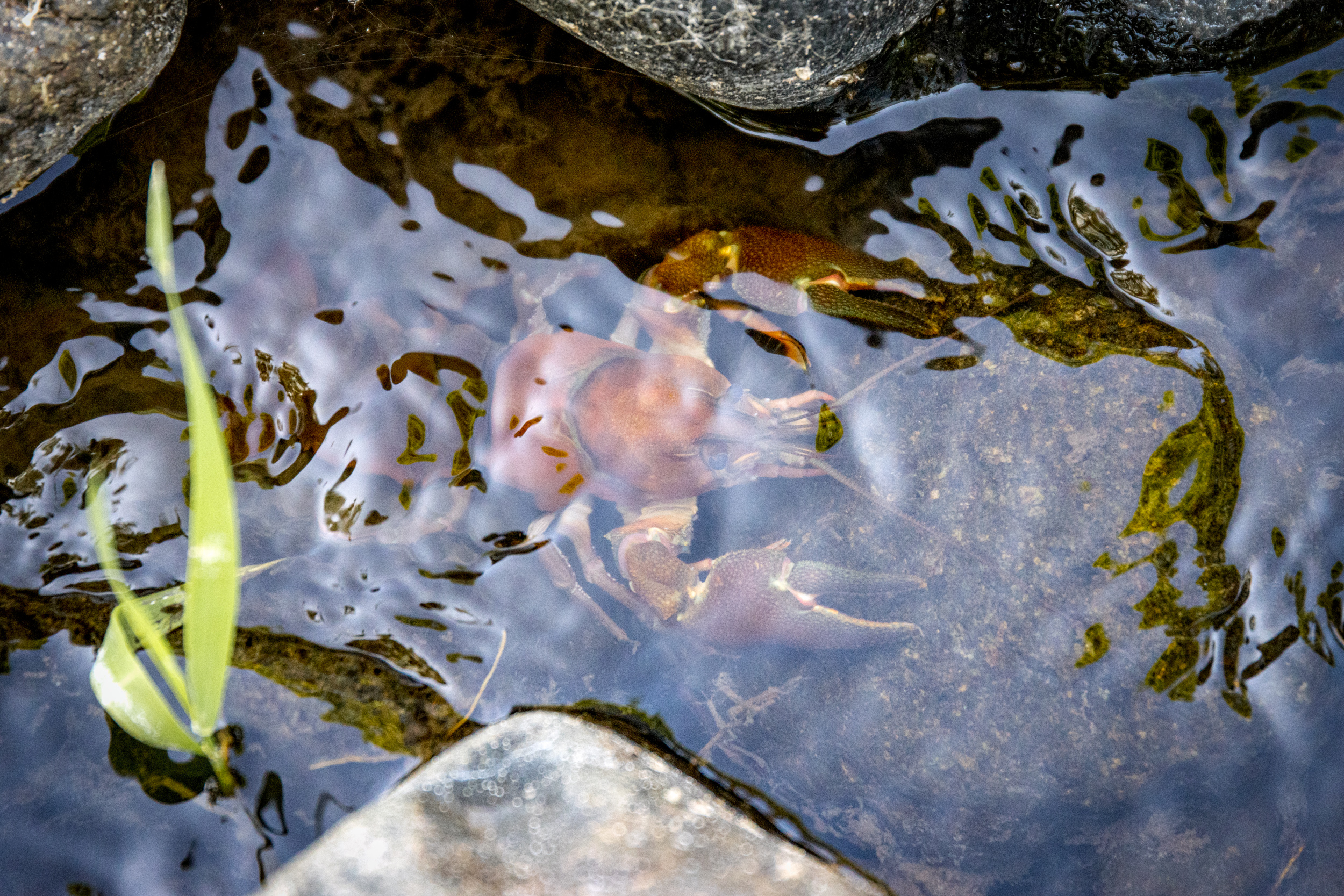
There are many different ways the watershed talks to us, if you know how to listen. At Clean Water Services (CWS), we are always working to understand the needs of the Tualatin River Watershed. One way we learn from the environment is asking “who or what has been here?” Since we can’t knock on the door of a beaver dam or ring a trout’s doorbell, CWS is using a new technique to translate the language of the watershed.
At Clean Water Services, our favorite plants are native plants. Local birds, bees, and butterflies agree. Native plants are vitally important to protecting and supporting a healthy watershed. They are adapted to our climate, soils, and ecosystems.
When you kayak along the river or take a stroll through your neighborhood park, you may not realize the critical infrastructure just below the surface, hiding underground and carrying wastewater to a treatment facility or stormwater to a nearby waterway.
The pipes, pump stations, stormwater systems, and treatment facilities that protect the health of all of us who live and work in Washington County are able to serve our growing communities because of decades of planning. The systems that will meet our needs 20 years from now will arrive thanks to planning being done today.
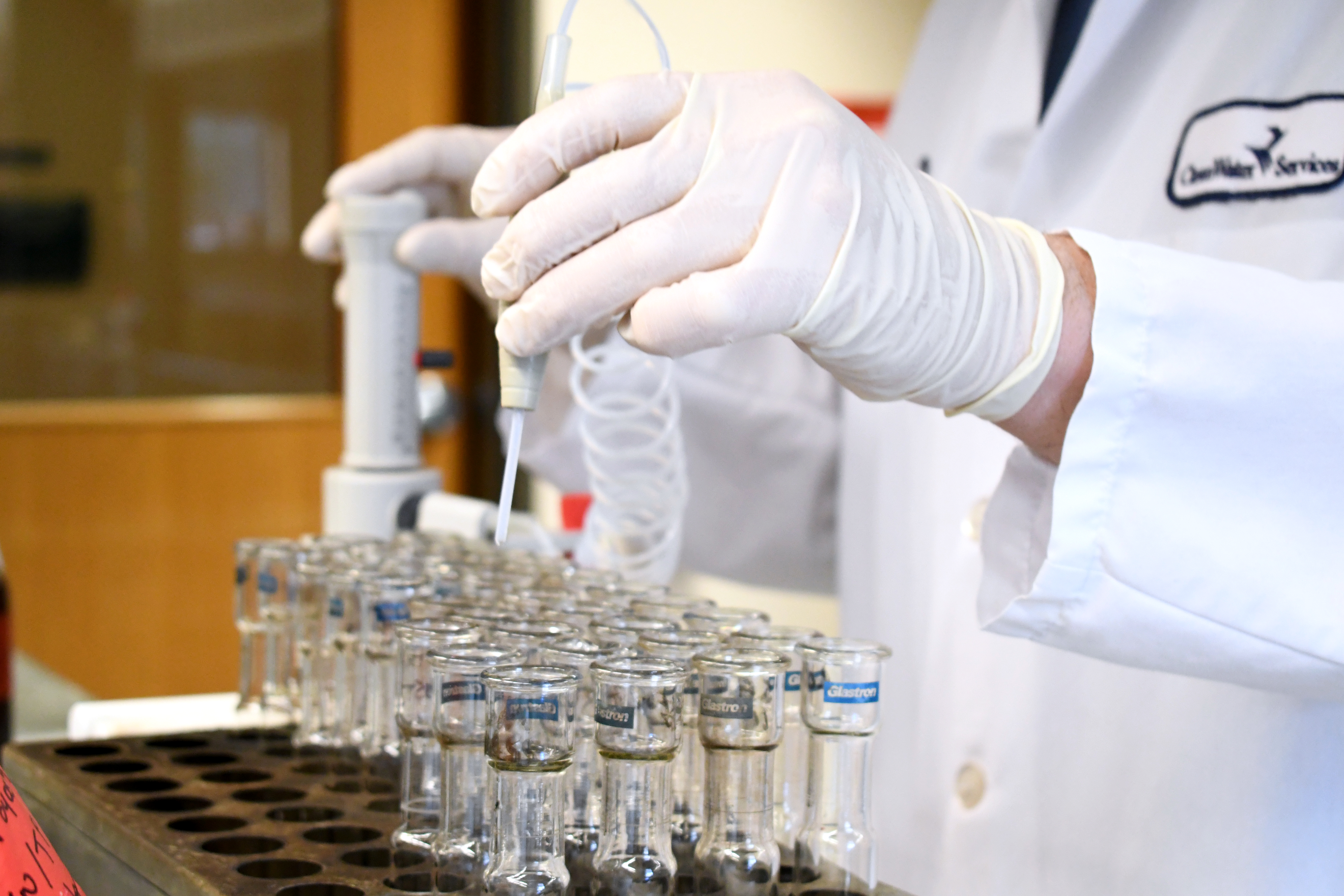
There's a lot of science involved in treating wastewater and managing stormwater in the uniquely challenging Tualatin River Watershed. A sizable portion of that science takes place in the Clean Water Services Water Quality Laboratory, where chemists perform over 100,000 water quality analyses a year.
The Clean Water Services (CWS) Board of Directors voted unanimously on June 17 to adopt the proposed Fiscal Year 2025-26 budget and rates and charges, including a 3% rate increase.