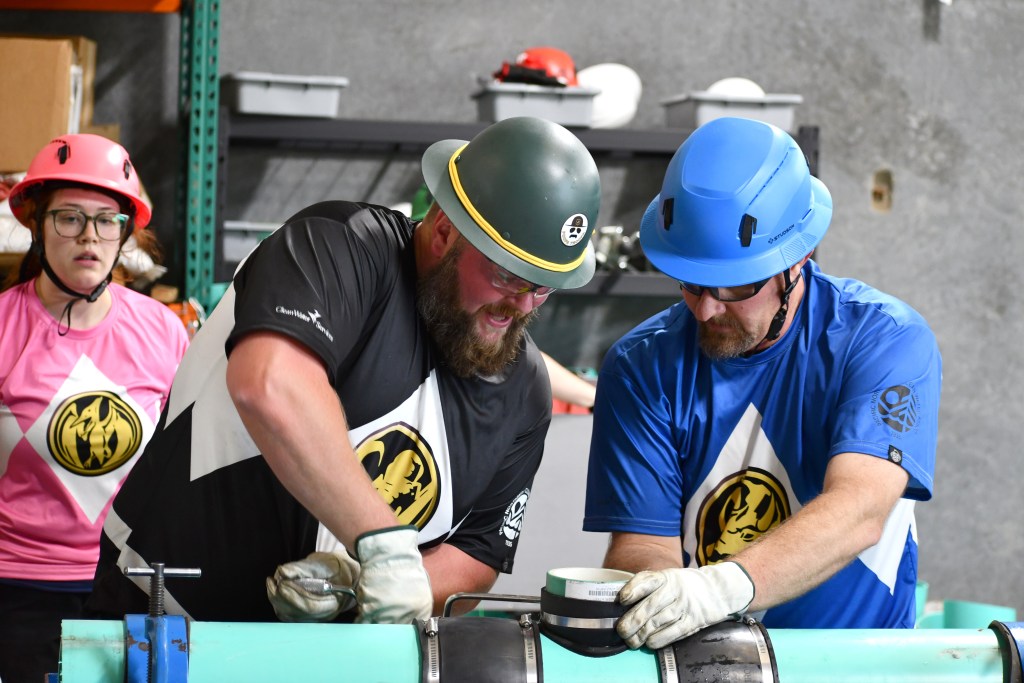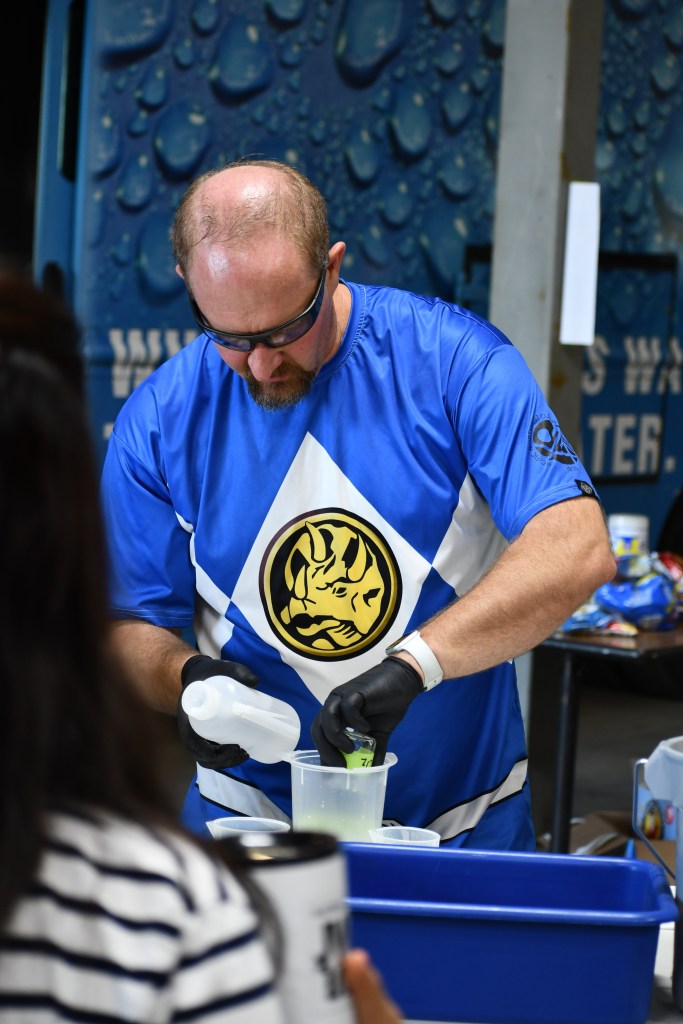
It’s been called the Wastewater Olympics, the Sewage Superbowl, and one of the best professional development programs in the water sector. The Operations Challenge exists because wrangling wastewater to protect our communities and environment requires well-trained professionals who can put their skills to work quickly, safely, and collaboratively.
Sharing a name with our environmental education program, the CWS River Rangers team has participated in the Ops Challenge for decades. Over the course of weeks of practice leading up to regional and international competitions, staff gain hands-on experience and connection with colleagues.
“Practice can be hard,” says Skyler Edmison, a senior wastewater plant operator who served as team captain in 2025. “We’re pushing ourselves hard through physical exertion, and there’s a lot of bonding over that.”
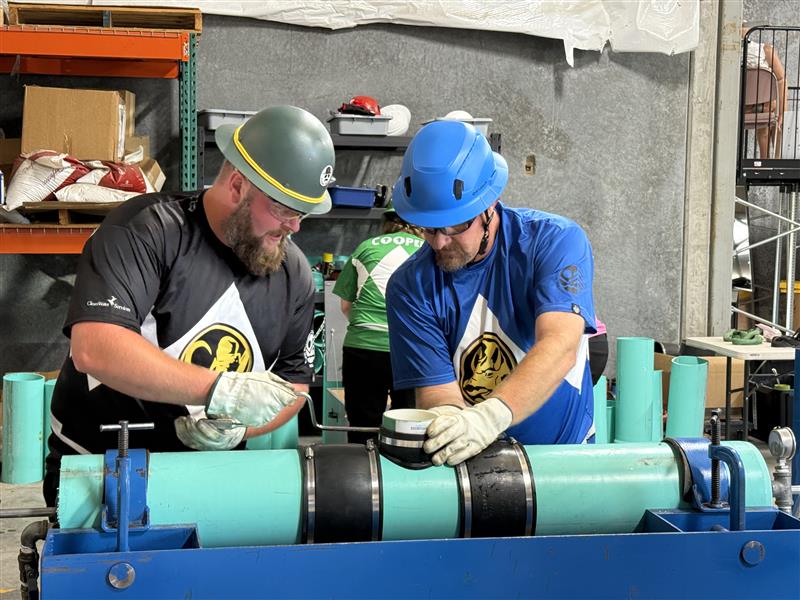
Each event within the Ops Challenge is its own ultimate test for wastewater professionals, showcasing the diverse skills needed to provide a utility’s essential services:
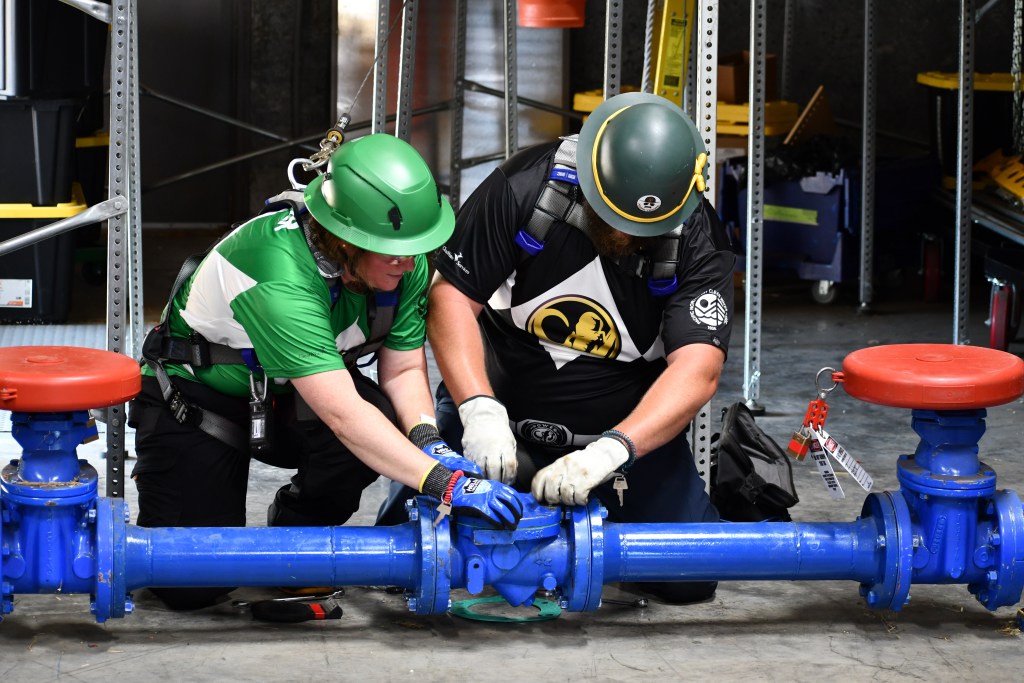
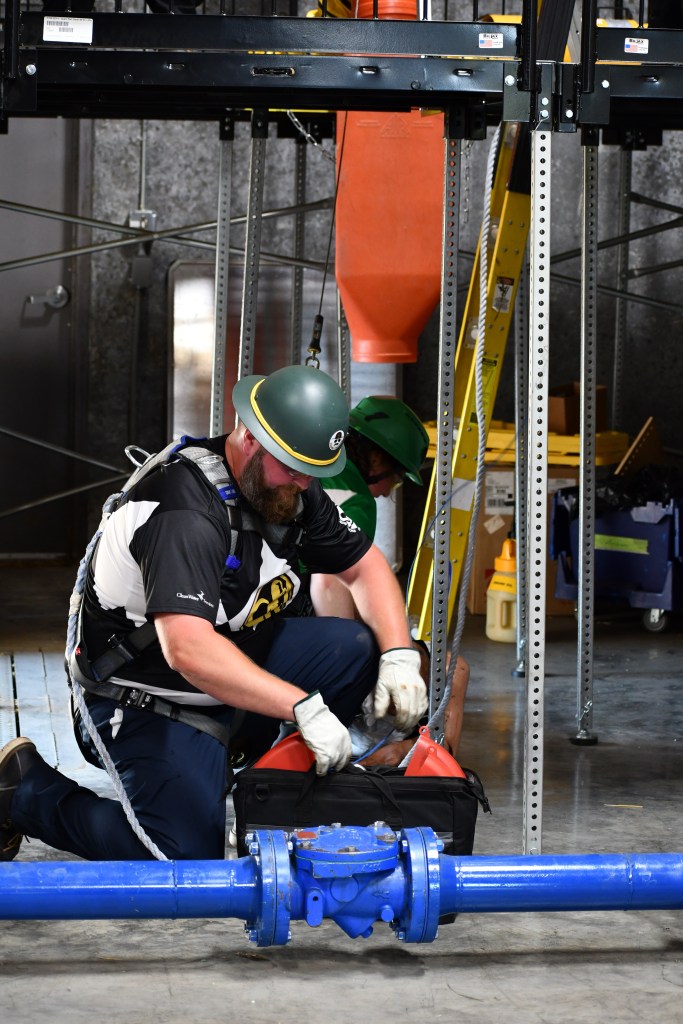
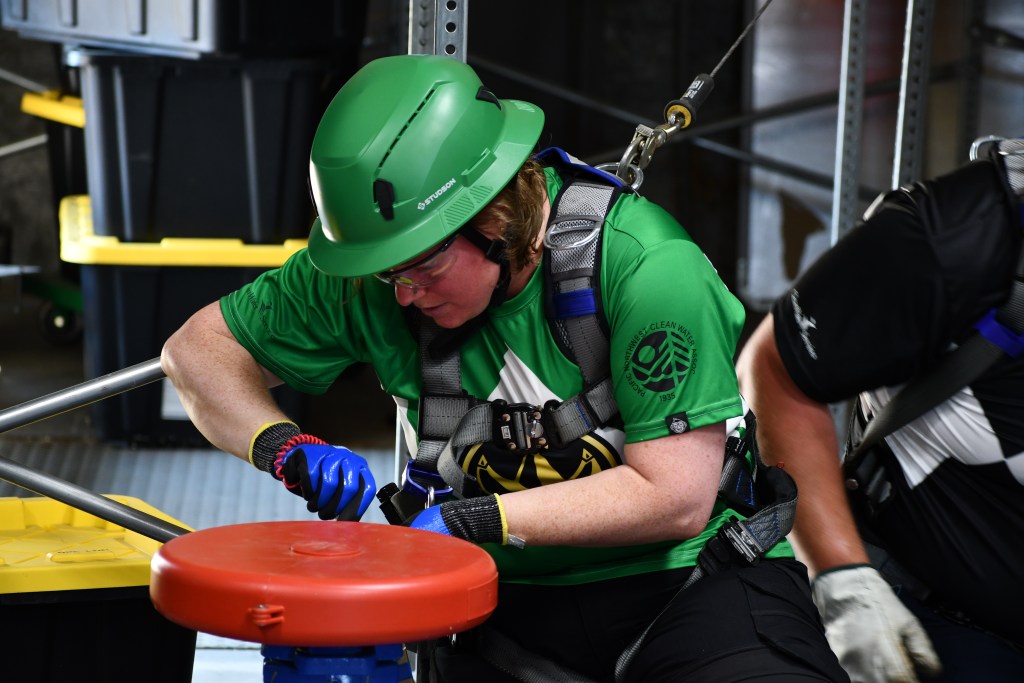
- Collections: Repairing pipes and stopping leaks under pressure.
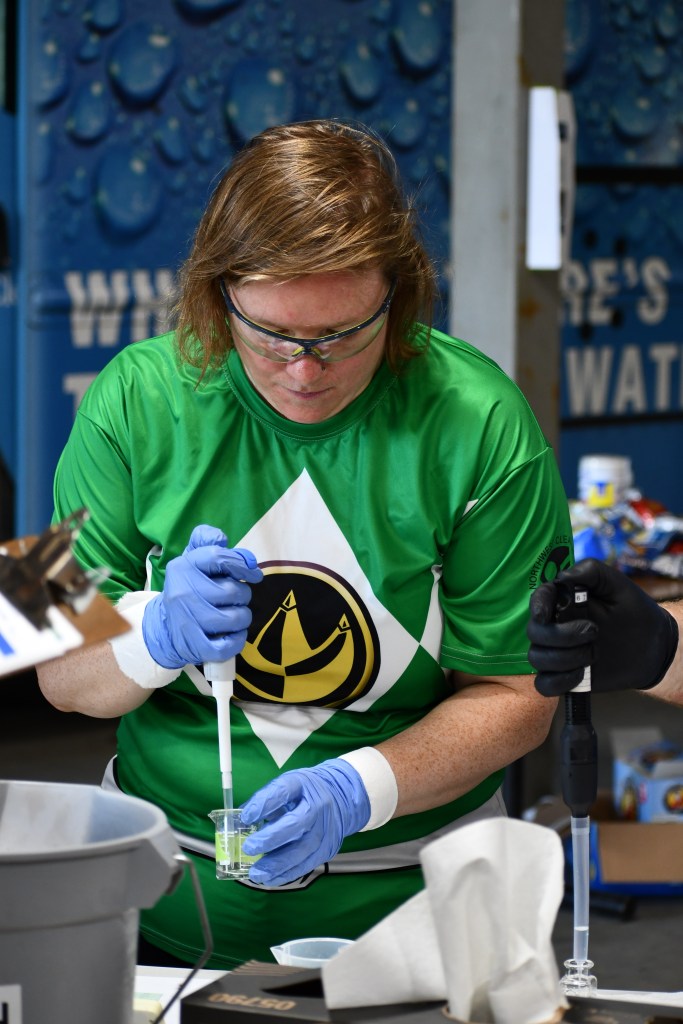
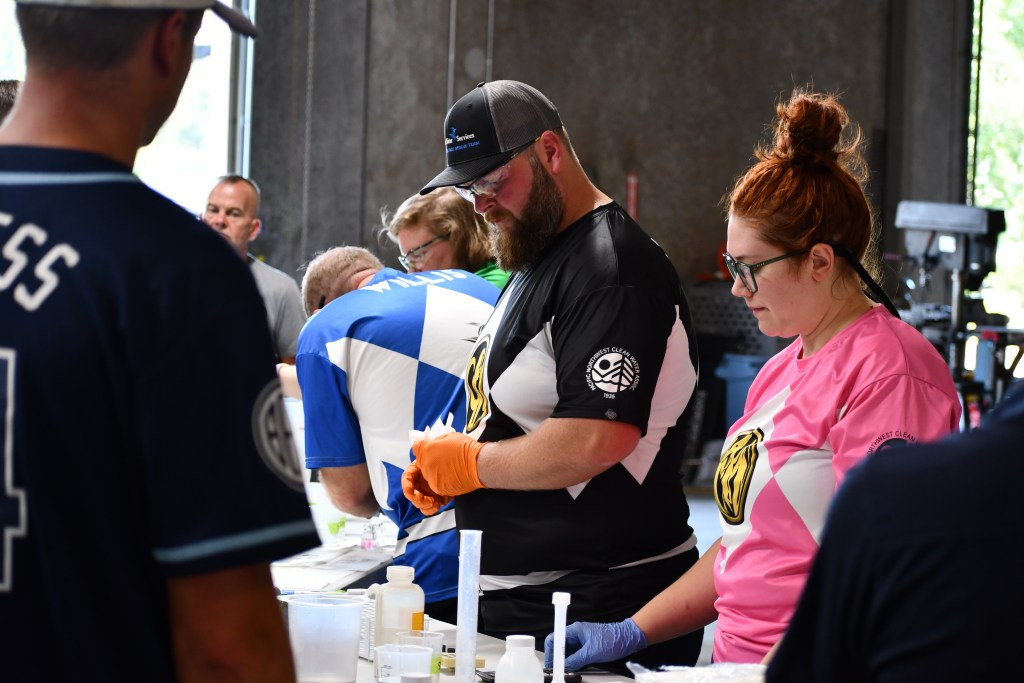
- Laboratory: Running water quality tests for accuracy and speed.
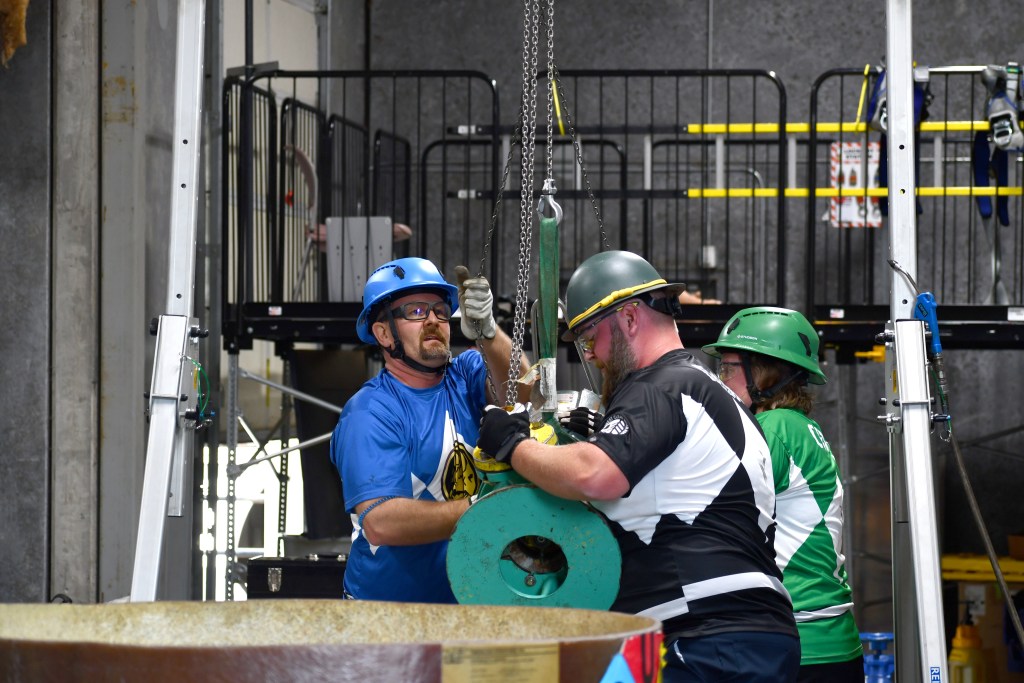
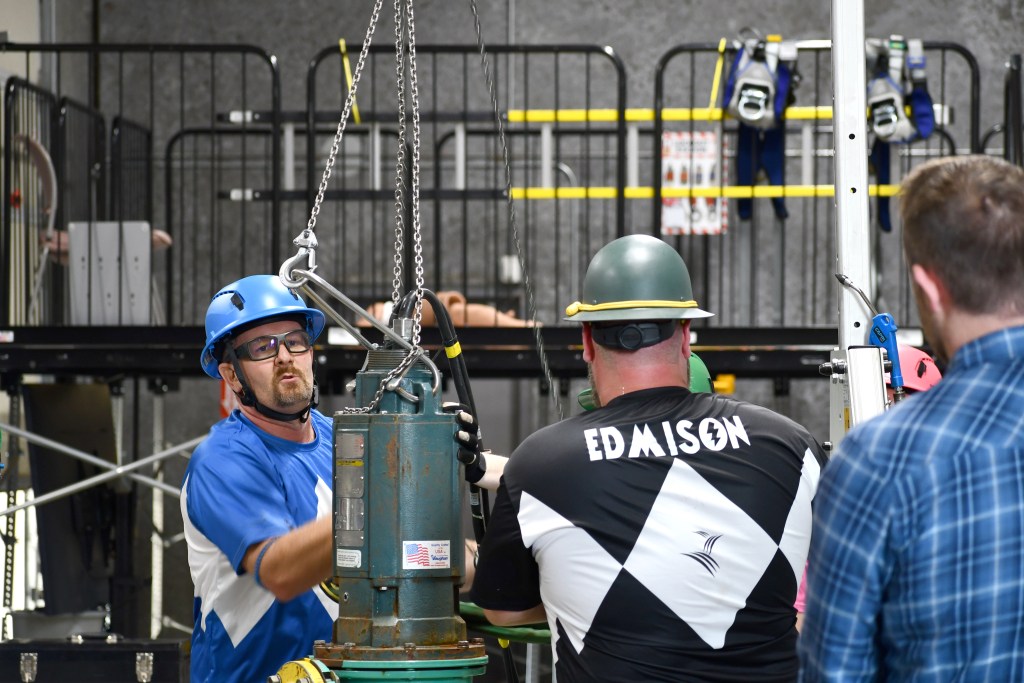
- Maintenance: Removing a pump from a wet well, making repairs, and placing it back into service.
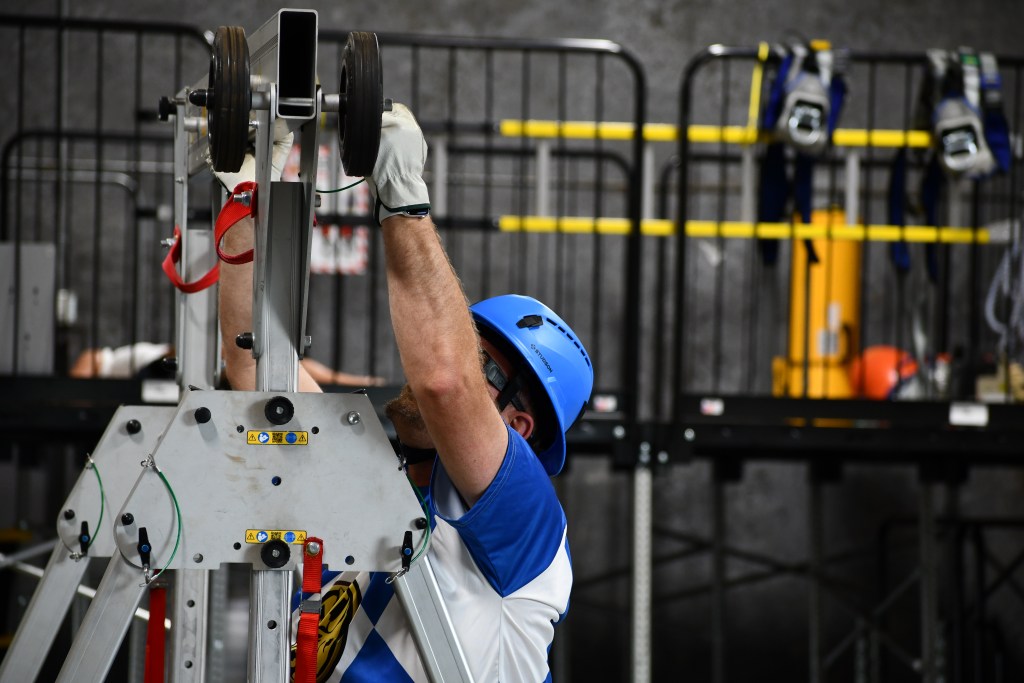
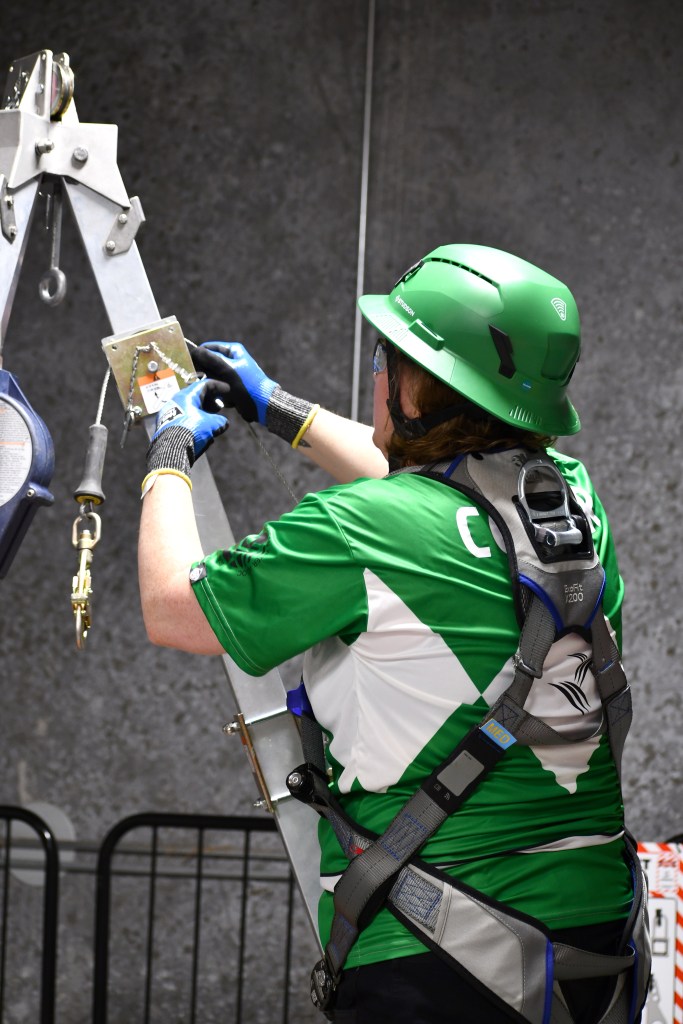
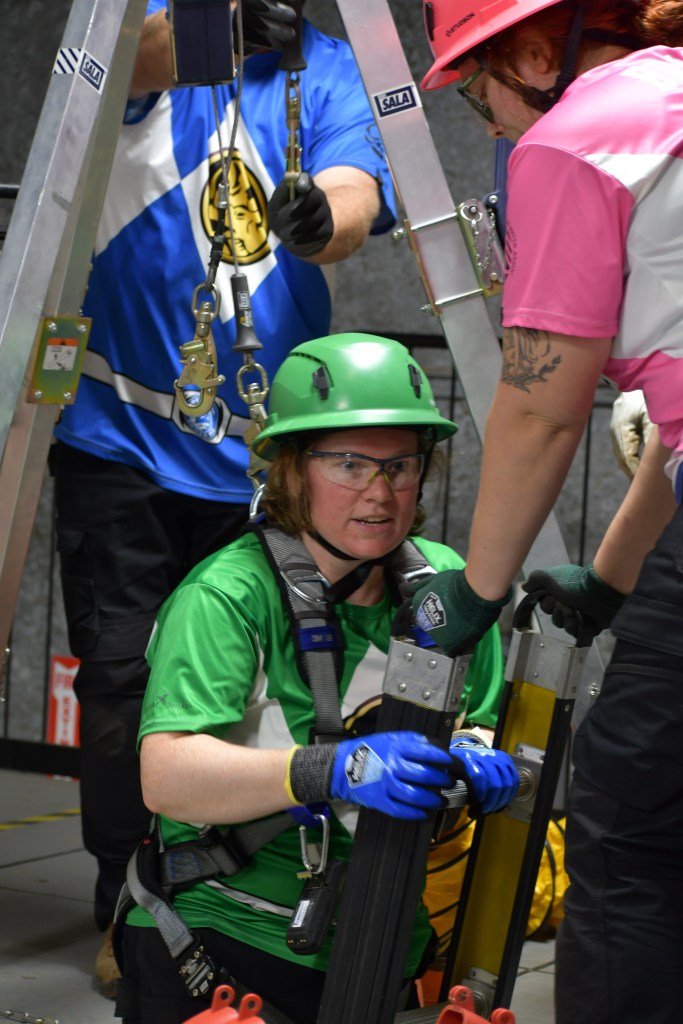
- Safety: Performing a rescue of a downed worker — and finishing the job!
- Process Control: A written test using a plant simulator with a poorly running treatment plan that challenges the team to problem-solve and optimize the water treatment process.
The fast-paced skills competition tests the technical know-how, teamwork, and quick thinking demanded of the professionals who ensure the wastewater from homes and businesses can safely move through the treatment and resource recovery process before returning to the Tualatin River.
Ops Challenge participation is open to staff across CWS, giving employees the opportunity to connect and collaborate with colleagues they otherwise may never see while delivering round-the-clock services.
“When you spend several hours a week with the same group of people, you have the opportunity to collaborate with new brains and learn from new voices,” says Kevin Wegener, an operations analyst who now coaches the River Rangers after years as a competitor. “Team members bring that back to their groups and offer new solutions.”
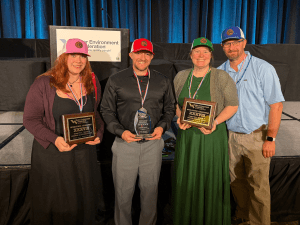
The 2025 River Rangers Team!
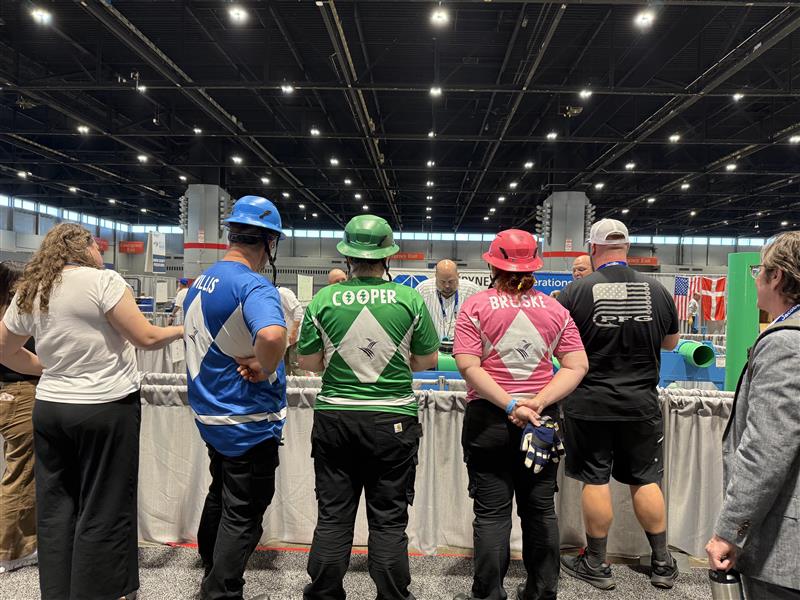
For the 2025 season, the River Rangers placed first at the Pacific Northwest Clean Water Association annual conference in Portland. Less than two weeks later, the team placed third in its division at the international competition at the Water Environment Federation’s Technical Exhibit and Conference in Chicago. From left: Laboratory Specialist Shandel Bruske, Wastewater Plant Operator Chris Tindall, Water Resources Analyst Rita Cooper, and Senior Field Engineer Zander Willis.
The River Rangers took that spirit of learning and collaboration a step further for the 2025 season by training with the City of Bend’s Ops Challenge team.
“It’s been great to connect with other facilities across Oregon,” said Roy Bradley of Bend’s Wizards of WAS team, which traveled to Washington County in August for a friendly practice competition with the River Rangers. “One thing that stands out to me is how well we work with Clean Water Services, either through Ops Challenge and coming down here for practice, but also operationally.”
The Ops Challenge is one of many ways CWS seeks out connection across the water sector, to both gain and share knowledge about the complexities and challenges of operating a wastewater and stormwater utility.
“You can learn a lot of new things about the wastewater process from talking to other people from other facilities in the state about what they are doing,” Wegener says. “That’s a huge deal.”
Take a look at what training and the competitions look like in this photo gallery and in the video below.